
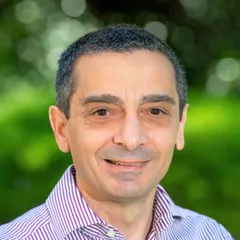
Karl Sammut
Project Supervisor
PhD Computer Engineering
Autonomous maritime technology is the way of the future and it is our mission to be at the forefront of research and development into uncrewed surface and undersea vehicles. We hope our work will help to create a safer and more efficient way to conduct marine research, surveillance, and search and rescue missions.
We aim to develop a maritime platform for government, industry, and university researchers to further the development of autonomous vehicles here in South Australia.
Team Name: Team Australis2
Team Contact: FlindersRoboticsTeam@gmail.com
Project Supervisor
PhD Computer Engineering
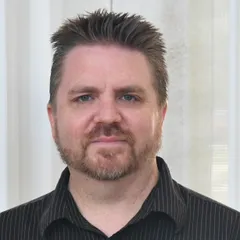
Academic Supervisor
PhD Physiology
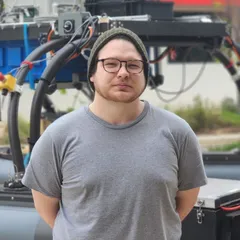
Student Team Leader
Bachelor of Engineering (Electronics)(Hons) (Graduate)
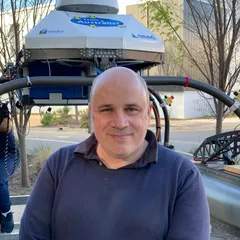
Academic Support/Long term member
Master of Engineering (Electronics), PhD (Engineering)
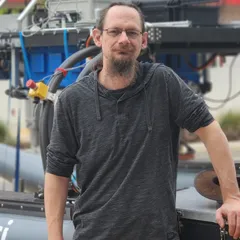
Academic Support/Long term member
BEng (Computer Systems Engineering), PhD (Electronics)
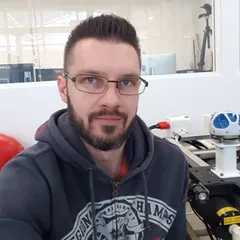
Academic Support
Bachelor of Engineering (Mechanical and Mechatronic)(Hons), PhD (Mechatronics Engineering)
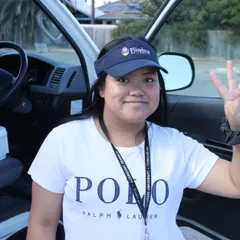
Management Team Leader
Bachelor of Science (Forensic and Analytical Science)(Graduate)
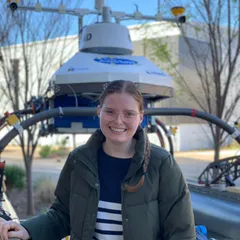
Management Team Deputy Leader
Bachelor of Engineering (Biomedical)(Hons)/Master of Engineering (Biomedical)
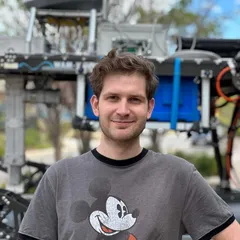
Software Team Leader
Bachelor of Science (Mathematics)(Hons), Doctor of Philosophy (Mathematics)
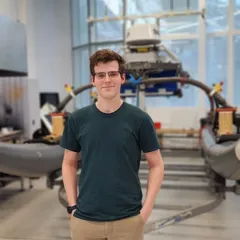
Software Deputy Team Lead
Bachelor of Engineering (Software)(Hons)/Bachelor of Information Technology (Networks and Cybersecurity)
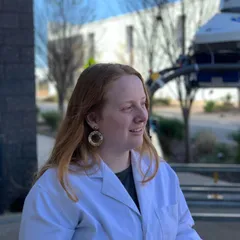
Electronics Team Leader
Bachelor of Engineering (Electrical and Electronic)(Hons)/Master of Engineering (Mechanical)
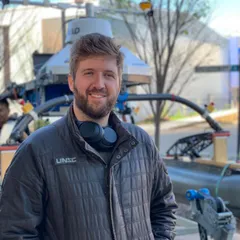
Electronics Technical Leader
Bachelor of Engineering (Robotics)(Hons)
Mechanical Team Leader
Bachelor of Engineering (Biomedical)(Hons)/ Master of Engineering (Biomedical)
Mechanical Team Deputy Leader
Bachelor of Engineering (Hons)(Biomedical)/ Master of Engineering (Biomedical)
Electronics/Electrical Team
Bachelor of Engineering (Electrical and Electronic)(Hons)
Mechanical Team
Bachelor of Engineering (Biomedical)(Hons)
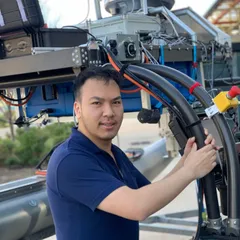
Software Team
Bachelor of Engineering (Biomedical)(Hons)/Bachelor of Engineering(Electrical and Electronic)(Graduate)
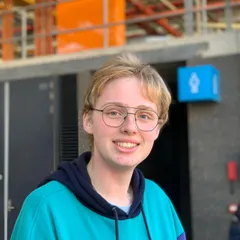
Software Team
Bachelor of Engineering (Software)(Hons)/Bachelor of Information Technology (Network and Cybersecurity Systems)
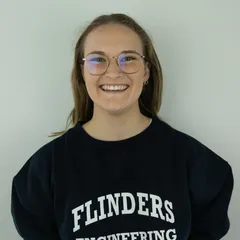
Mechanical Team
Bachelor of Engineering (Biomedical)(Hons)/Master of Engineering (Biomedical)
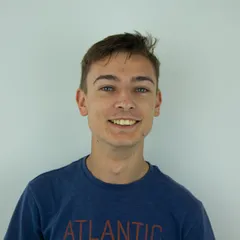
Mechanical Team
Bachelor of Engineering(Mechanical)(Hons)/Bachelor of Design and Innovation Technology
Software Team
Bachelor of Engineering(Mechanical)(Hons)
Software Team
Bachelor of Engineering (Software)(Hons)/Bachelor of Information Technology (Networks and Cyber Security)(Hons)
Software Team
Bachelor of Engineering (Electrical and Electronic)(Hons)
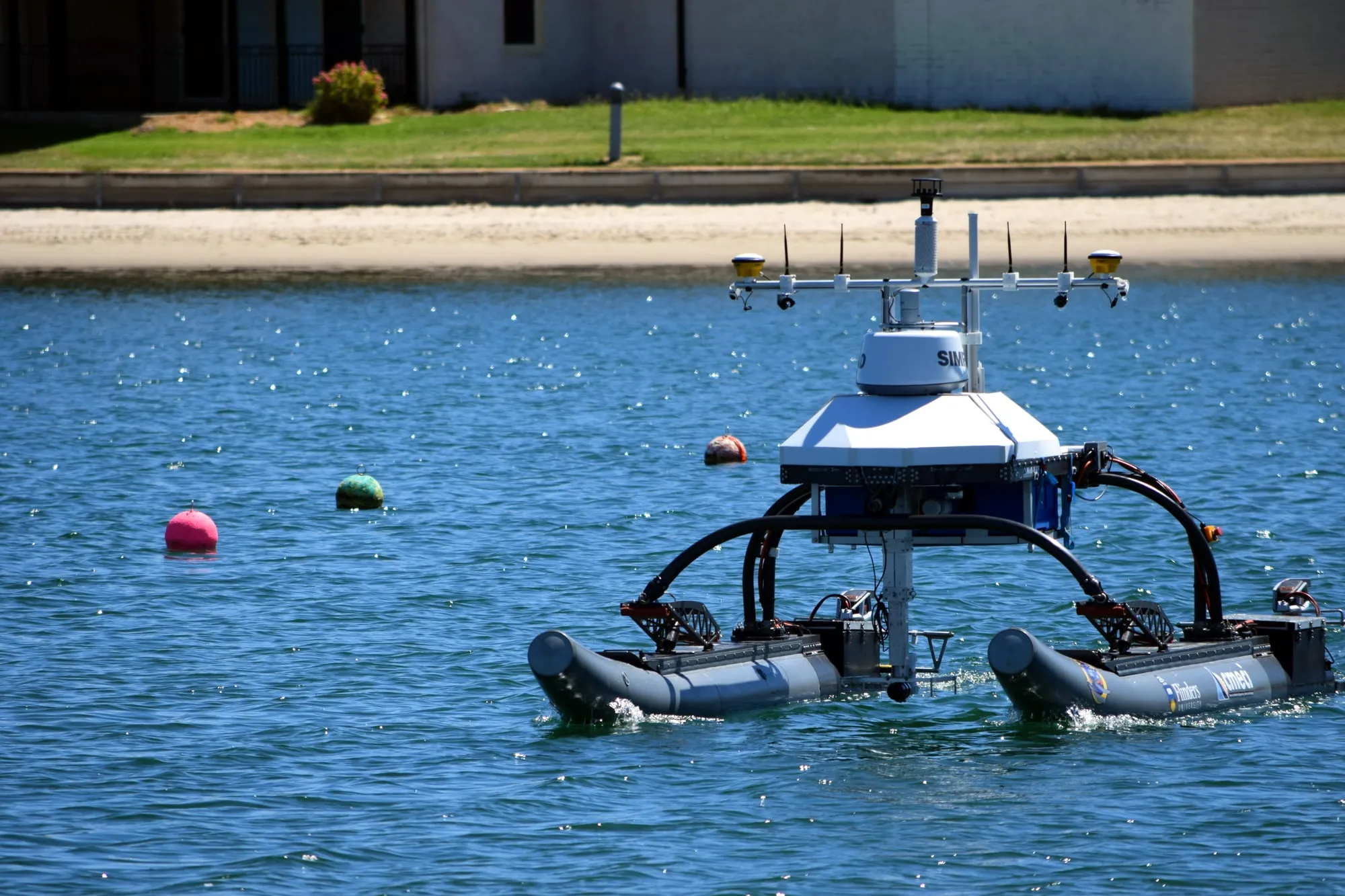
TopCat is an electrically powered autonomous surface vessel that carries a range of advanced sensing equipment. The vessel uses the suspension system on the WAM-V platform to provide a stable base for the sensor suite and power systems.
Five metres long with a top speed of 11 knots (20 km/h), a cruising speed of around 4 knots (8 km/h) and a cruise endurance close to 12 hours, TopCat is well suited to monitoring tasks in hostile conditions or protected areas. The vessel is currently capable of mapping and monitoring tasks using the onboard Lidar and Radar systems. Additional sensors such as sonars can be attached to the underwater deployer to perform specific tasks such as sea bed mapping or environmental surveying.
A key part of developing unmanned vehicles is ensuring an easy to use and reliable user interface. Developing a system which both provides sufficient information for systems analysis while allowing non technical researchers to easily view data has been our main focus.
Our user interface consists of a base control station which relays system information and safety data to the mission supervisor, as well as a web based data interface which allows users to access and visualise only the data relevant to them.
The software which runs TopCat is based on the Robot Operating System (ROS). ROS is a collection of open source software libraries and tools which enable rapid development of robot software infrastructure. On top of this backbone we have developed multiple algorithms including object recognition and classification, mission planning, navigation and control systems. These systems allow TopCat to autonomously plan and execute given tasks such as mapping a selected area.
TopCat’s hardware is a combination of off the shelf parts and custom built systems. The focus for the overall hardware design was stability, reliability and modularity to allow safe, easy operation and upgrades. The vessel is a stable inflatable catamaran (WAM-V ’16) platform powered by two independently steered Torqeedo Cruise 2R electric motors and 2 x 3.88 kWh Li-Ion batteries. This hardware setup provides a reliable and easy to use platform to develop and test our software algorithms. TopCat carries a broad selection of on board sensors for navigation, control, obstacle avoidance, and mapping above and below the water. Additionally, mission specific sensors can be easily integrated as required.
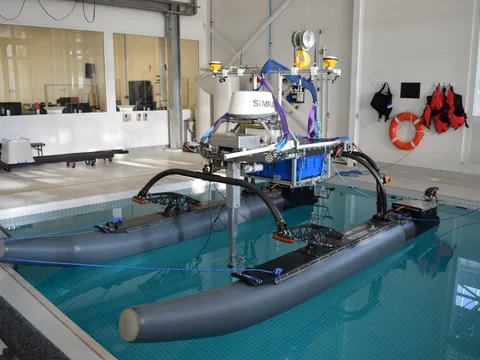
Topcat is based on the wave adaptive modular vessel (WAM-V) platform developed by Marine Advanced Research. To this platform we have added a sensor mounting array, an underwater deploying arm, a battery cradle and two neutrally buoyant motor modules, allowing Topcat to operate safely in the open ocean.
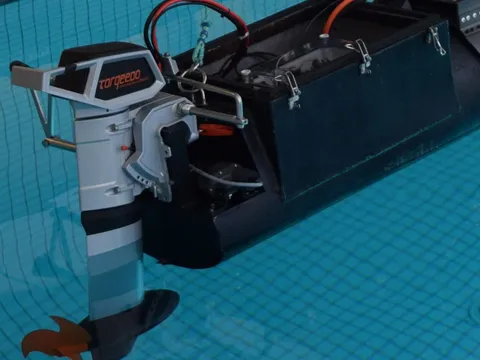
Topcat is a fully electrical vehicle powered by two Torqeedo Cruise 2 electric outboard and two large Kokam lithium polymer batteries. A steering system has been added to ensure high manoeuvrability of the vessel in all conditions.
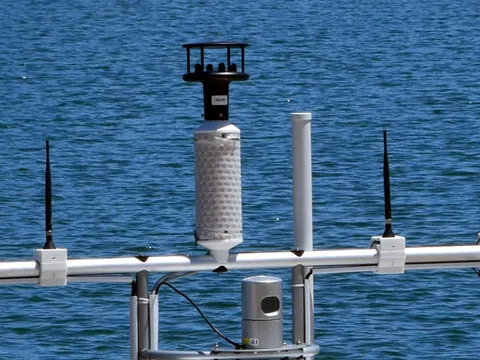
Communication is critical for safety and reliability of the system. Topcat uses long range, low power 900MHz communication for teleoperation, telemetry and safety communications as well as long range 5GHz WiFi for data and video streaming.
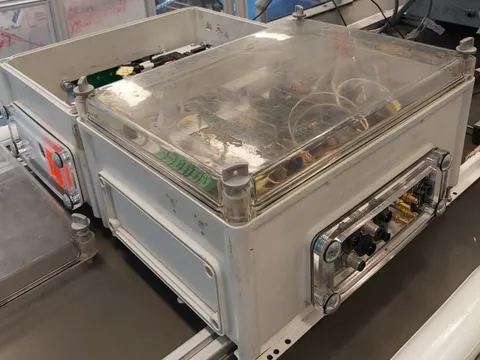
Topcat uses a main electronics distribution box which contains power regulators, network switch, USB devices and microcontrollers. This connects to all the sensors and provides the interface to the computer, housed in a separate box.
Image courtesy of Christelle Richardson
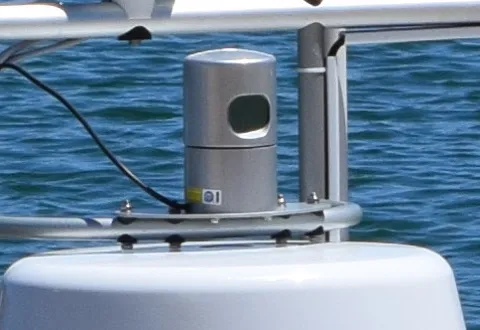
Topcat carries a Velodyne HDL32E LiDAR. This sensor is capable of providing a precise 360 degree volumetric scan of the area up to 100m away. It is the primary close range obstacle detection sensor.
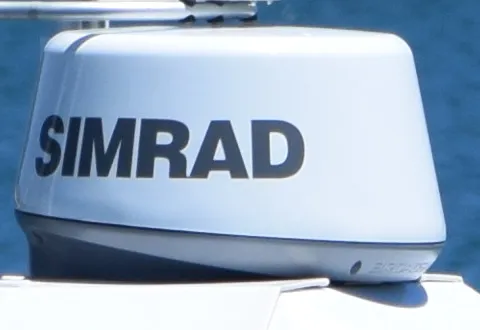
Topcat also uses a low power Simrad 4G Radar system for longer range obstacle detection and coastal mapping. This system can detect larger obstacles up to the horizon and is useful in offshore operations.
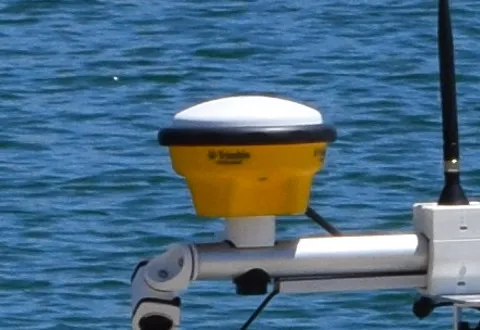
Topcat uses a dual antenna Trimble BX982 GPS system for position and heading. This system when used with an RTK base station can provide sub centimeter accuracy.
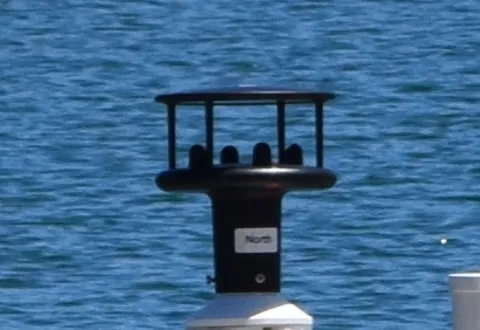
Topcat is a very light vessel and wind affects can be significant. It carries on board an ultrasonic wind speed sensor to allow the software systems to compensate for wind in real time.
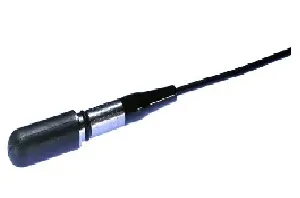
Hydrophones
This years challenge includes the location of underwater beacons. This is achieved through the use of a quad hydrophones array, processed through a Digital to Analog Converter. The Hydrophones chosen for this project were the Teledyene Marine RESON TC4013.
In 2012 the Maritime RobotX Challenge was launched by the US Office of Naval Research. A joint Flinders University and Centre for Defence Engineering Research and Training (CDERT) was successful in applying to be part of the inaugural event and herein was born Topcat.
Developing Topcat has been a very iterative process. The initial vessel design focussed on solving the 2014 RobotX challenge tasks including navigation, obstacle avoidance and docking. This was a great base but new and ongoing research tasks and challenges have necessitated continual upgrades for Topcat.
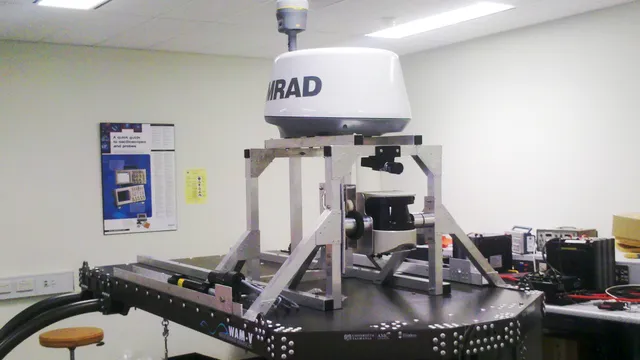
In early 2014 Australian Maritime College students developed and tested engine buoyancy systems and installed Torqeedo electric outboards. The vessel was then brought to Flinders University where students designed and built sensor mounting structures for LiDAR, Radar, GPS and camera systems. At the same time honours students were developing software systems to solve the challenges for RobotX 2014.
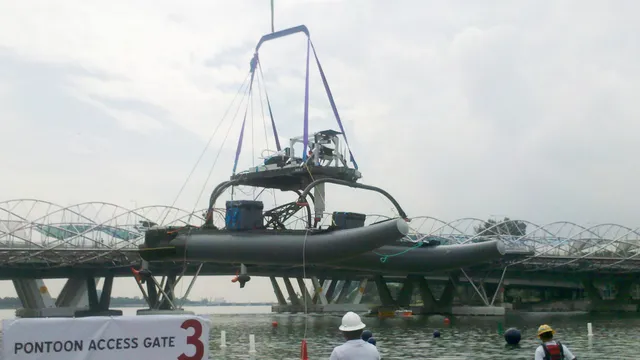
Topcat made it to the first Maritime RobotX challenge in October 2014. It was a rush to develop everything on time and not everything worked as planned but the experience was great. The team got to meet people from around the world who shared a passion for robotics. We just missed out on the finals but were awarded a special mention for our use of the boat as a research platform.
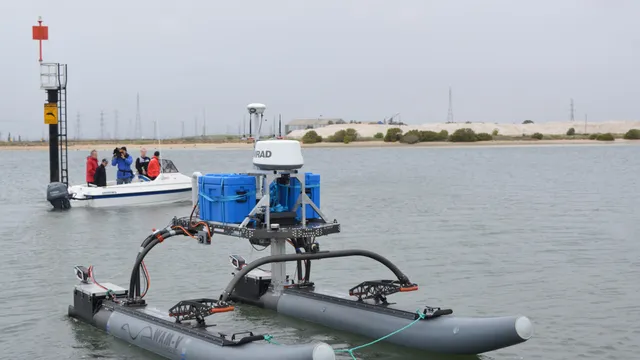
Shortly after SAAB Australia announced their Bonefish USV we were asked to demonstrate Topcat on the Port River for a news article. This was the first time Topcat operated in public access waters with shipping traffic. Although weather on the test day was horrible it was a successful demonstration of the vessels ability to operate in a commercial area.
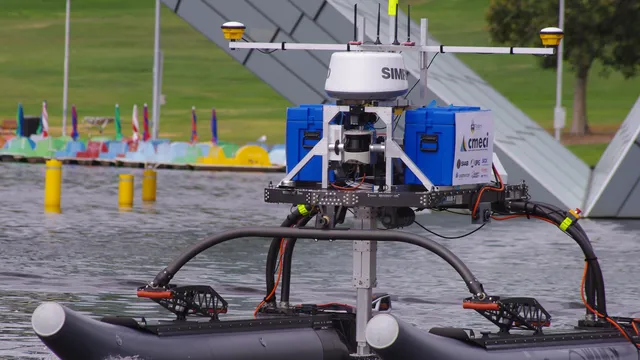
Yes we know, Topcat is a boat at a car conference! Nevertheless, we were asked to demonstrate the vessel on the Torrens River for the International Driverless Cars Conference. This was a great opportunity for us to meet industry leaders interested in autonomous technology and also great public exposure as the demonstration was in the middle of the city. It was also the first time Topcat operated in amongst rowers and paddlers.
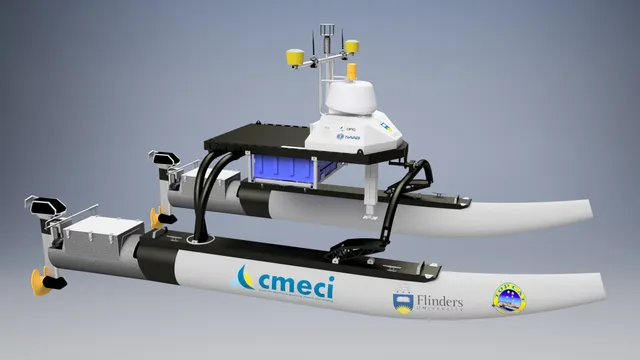
Throughout the first half of 2016 Topcat went through a major upgrade phase. New sensors, a new computer and electronic systems were added. The overall superstructure was redesigned, the batteries mounted in an underslung cradle and a steering system added. These upgrades were designed to prepare the vessel for ocean trials and the 2016 Maritime RobotX Challenge.
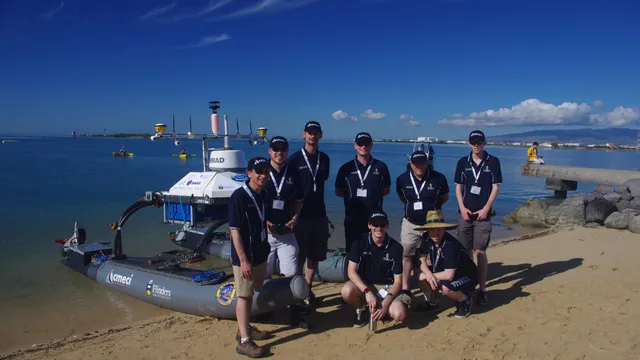
Topcat has entered the 2016 Maritime RobotX Challenge in Hawaii. Preparations are in full swing, the hardware systems have been tested and software is well on its way. In just a few days we will be packing everything up and shipping it all! We are excited to participate again and look forward to the challenges this year’s competition will bring!
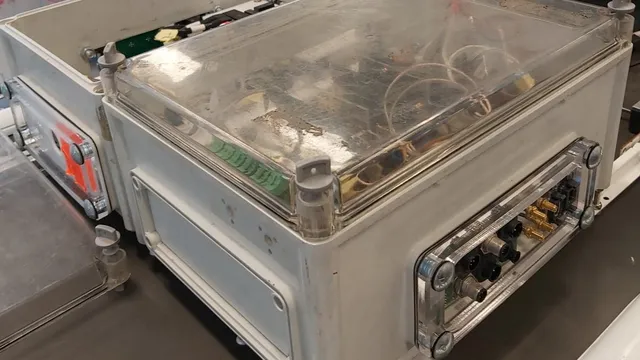
Some general improvments were made to the boat. This included reworking the electronics box to make it easier to use and service. Other improvments incuded fixing the light bar and other quality of life fixes.
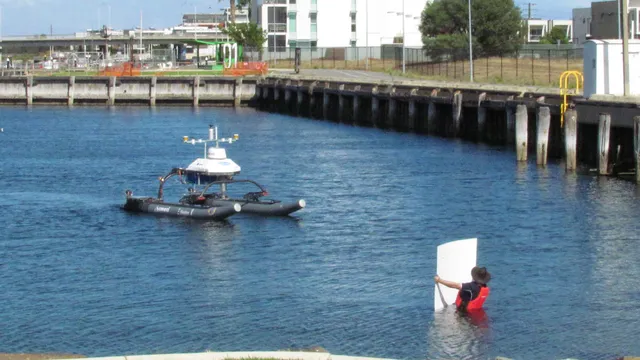
Flinders University gained access to a private testing site for Autonomous Surface Vessels in the Port River. At this site, the vessel undertook experiments in perception and vehicle control.
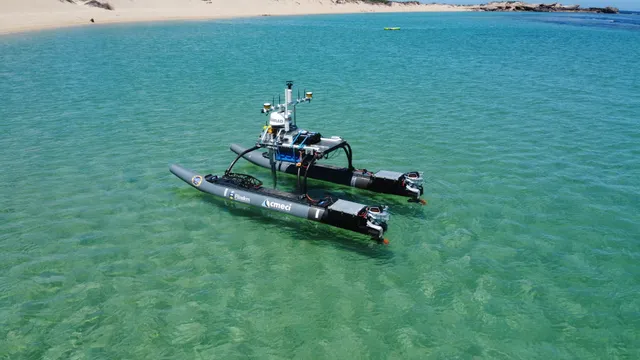
A highlight of 2020 was a field trip to Beachport, a small town on the south-west coast of South Australia. During this trip, the TopCat ASV undertook a survey of beach erosion in the bay near post office rock (https://www.abc.net.au/news/2020-10-28/beachport-erosion-robotic-vessel-deployed-climate-change/12821360).
During this survey, the TopCat ASV carried depth sounding equipment within the bay that had formed inshore of a reef.
We gratefully appreciate all of our sponsors for their time and commitment to the project. A special thank you to the following sponsors for their contribution to the project.
“Building a future we can all trust” – Thales is an international innovation company building the world’s defence and security, aerospace, and transportation capabilities.
To find out more please visit: https://www.thalesgroup.com/en

“Find your Fearless” – Flinders University is an educational establishment aiming to inspire high achievement, passion and drive within their students.
To find out more please visit: https://www.flinders.edu.au/

“The Power of REDARC” – “REDARC has over 40 years’ experience in the research, design, development and manufacture of a range of off-grid power and towing safety solutions.”
To find out more please visit: https://www.redarc.com.au

FUSE is a student lead academic society passionate about supporting the engineering cohort to receive a well rounded and supported education. FUSE is proud to help shape a student’s university experience; providing opportunities to engage in further special interest projects, career progression, personal development, academic support, and various social events.
To find out more please visit: FUSE – Facebook

“Smarter Future. Better World.” – SAGE Group is a specialist industrial services provider and working alongside some of Australia’s most iconic brands, we combine the best thinking with world-leading technology to accelerate your digital journey.
To find out more please visit: https://www.gotosage.com/